Roommate Conflict 101: How to Handle Tension Without Drama
College life brings excitement, independence, and the experience of living with someone new. But along with shared laughs and late-night snacks comes the reality of roommate conflict—and knowing how to handle tension without turning your dorm into a battleground is a skill worth mastering.
Disclosure: This page may contain affiliate links. If you purchase through these links, I may earn a commission at no extra cost to you.
This guide to roommate conflict 101 covers everyday disagreements, emotional friction, and dorm etiquette challenges. It’s designed to help students communicate clearly, set boundaries confidently, and turn potential drama into practical growth.
💭 Understanding Roommate Conflict in College
Let’s be real: even in the best roommate relationships, friction is inevitable. Living in tight quarters while adjusting to academic pressures creates a perfect storm for misunderstandings.
- Different schedules
- Opposing cleaning habits
- Noise tolerance issues
- Social or privacy preferences
- Shared item misunderstandings
But roommate conflict doesn’t mean failure—it’s simply part of learning to co-exist.
🧭 Spotting Conflict Early
Addressing issues in their early stages prevents tension from snowballing. Here’s how to recognize a brewing conflict:
- Passive behaviors like closed-off body language or avoidance
- Short responses to casual conversation
- Increased frustration during shared tasks like cleaning or organizing
- Annoyance with routines like alarm clocks, study habits, or noise levels
College roommate problems often start small. Spotting signals early helps keep tension manageable.
🗣️ Communicating Before the Boil
Once you sense discomfort, it’s time to speak up—respectfully. Effective communication is the backbone of resolving dorm conflicts.
Steps for a Peaceful Conversation:
- Pick a Neutral Time Don’t start the chat during stressful moments or right before bed. Opt for weekends, mid-afternoon downtime, or during a shared meal.
- Use “I” Statements “I’ve noticed I’ve been feeling overwhelmed when…” instead of “You always…”
- Acknowledge Their Perspective Show curiosity instead of judgment. “How are you feeling about how the room’s working?”
- Stay Calm & Focused Stick to the issue at hand—don’t dredge up unrelated frustrations.
- Offer Solutions Together Brainstorm fixes. Whether it’s noise limits, shared chore rotations, or space dividers—getting input makes the plan more fair.
In roommate conflict 101, respectful dialogue is key—even when nerves are high.
📦 Navigating Shared Item Issues
“Did you take my charger?” “I thought we were sharing snacks!” “Where’s my jacket?” Sound familiar?
Common Solutions:
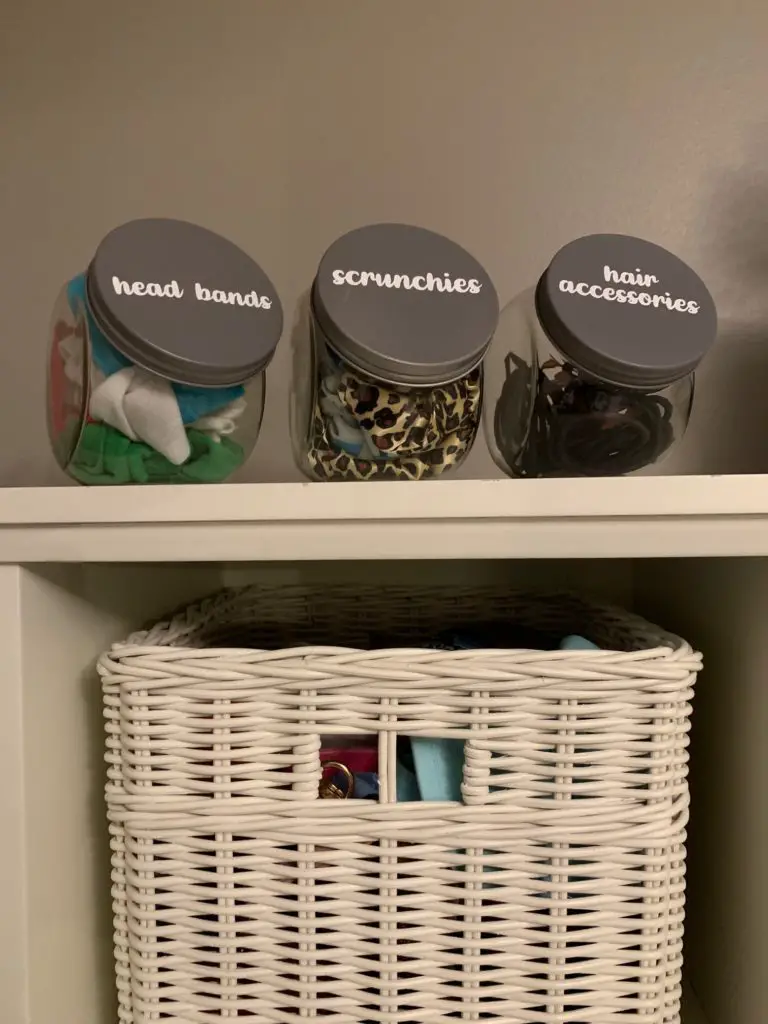
- Label and organize clearly. Use bins, drawer dividers, or name tags for personal items.
- Set clear sharing boundaries. Have a conversation about what’s okay to borrow and what’s off-limits.
- Don’t assume silence equals agreement. Some roommates are conflict-avoidant—ask directly rather than guessing.
Roommate tension around belongings is common. Get proactive to keep the peace.
🛏️ Noise, Light & Routine Conflicts
Shared dorms require rhythm adjustments—especially when schedules collide.
Tips for Smooth Co-Existence:
- Invest in headphones. Noise-cancelling earbuds can help you study while your roommate watches videos.
- Use sleep masks or dimmers. If one person sleeps early, find ways to soften light exposure.
- Create routine transparency. Post weekly schedules on a shared board. Include wake-up times, classes, study hours, and group plans.
A consistent rhythm makes surviving roommate conflict easier—especially when routines don’t align.
🧼 Cleaning: The #1 Source of Dorm Conflict
Let’s face it—cleaning is conflict-prone. Uneven expectations, unclear divisions, and passive messes cause stress.
Action Steps:
- Create a clear rotation. Alternate trash, vacuuming, bathroom tidying, and fridge purging.
- Keep supplies stocked. Disinfectant wipes, sprays, and paper towels make tasks easier.
- Respect tolerance levels. One roommate might be fine with clutter; the other isn’t. Set compromise zones—clean desks but flexible shelves, for example.
Handling roommate tension around cleaning is often about respecting shared values—not enforcing perfection.
✋ Setting Boundaries That Feel Respectful
Boundaries don’t mean you don’t like your roommate—they mean you respect the space and each other.
Important Boundaries to Discuss:
- Alone time vs. hangout time
- Study quiet hours vs. social windows
- Guests and overnight visitors
- Borrowing and sharing limits
- Emotional venting: how, when, and if
When boundaries are clear, roommate conflict becomes a rare occurrence instead of a regular stressor.
🔄 Conflict Resolution Plans
Sometimes tension escalates despite your best efforts. If communication breaks down or disagreements get bigger, it’s time to involve structure.
What You Can Do:
- Ask for mediation via RA or student life services.
- Document ongoing issues.
- Request roommate swaps or reassignment.
- Use campus resources like conflict resolution workshops or peer mentors.
Not every roommate pairing works—and that’s okay. Roommate conflict 101 includes knowing when to seek outside help.
🧠 Emotional Intelligence in Roommate Life
Handling dorm conflicts isn’t just about tactics—it’s about mindset. Emotional intelligence helps you listen, empathize, and respond instead of react.
Practice These Skills:
- Self-awareness: Recognize your own triggers and reactions.
- Empathy: Consider your roommate’s background, personality, and stressors.