Gray Dorm Room Bedding: Trends, Fabrics and Recommendations
Introduction to Gray Dorm Room Bedding
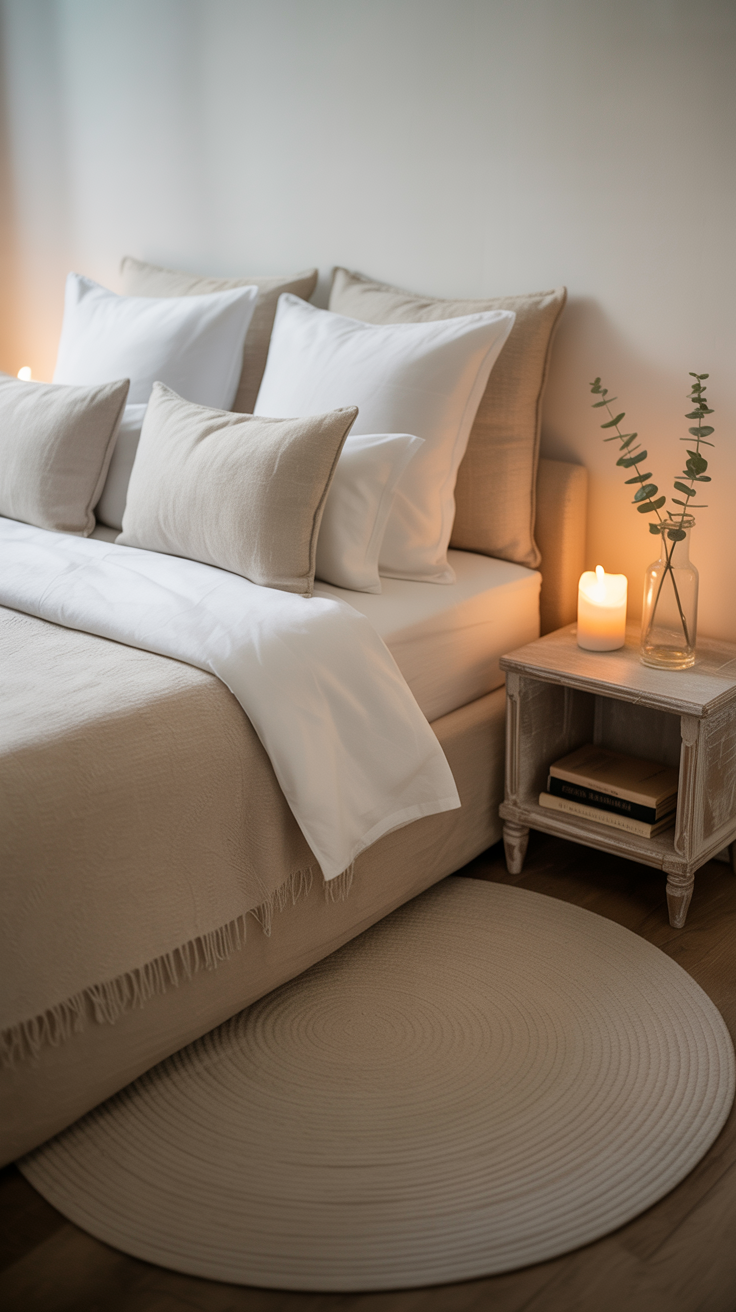
If you’ve been searching for that perfect gray dorm room bedding to pull together your dorm space, you’re not alone—gray continues to be one of the most stylish and versatile choices for bedding. Whether you’re drawn to soft ash tones, warm greige textures, or bold charcoal accents, gray works beautifully across seasonal trends and personal styles.
Disclosure: This page may contain affiliate links. If you purchase through these links, I may earn a commission at no extra cost to you.
Over the years, I’ve curated dozens of dorm-friendly options—so if you’re coming from Pinterest, welcome! You’ll find my updated favorites featured in this Amazon Idea List of 25 gray comforters.
And if you’re ready to take things deeper, this post dives into the top trends in gray dorm bedding—from popular shades and textures to eco-conscious fabrics and functional layering tips. Plus, I’ve included examples and recommendations that pair beautifully with the trends so you can style a space that’s cohesive, comfortable, and unmistakably you.
Trends in Gray Dorm Room Bedding
Popular Shades of Gray
Graduated tones of gray—from light dove to charcoal—are dominating dorm room bedding. Light grays impart an airy, reflective quality that can make compact rooms feel larger, while darker grays lend a moody, contemporary look.
Some designers suggest shifting toward softer shades or gray with warm undertones such as greige or ash tones to maintain warmth and avoid a sterile feel. Commonly favored tones include:
- Soft ash gray for a calming, neutral base.
- Greige (gray-beige) to introduce warmth without abandoning neutrality.
- Charcoal accents in pillows or throws for depth and contrast.


Pattern Trends
Monochrome isn’t the only story; geometric patterns, stripes, and textural weaves are on the rise. Students are gravitating toward graphic prints that add visual interest without overwhelming a small space:
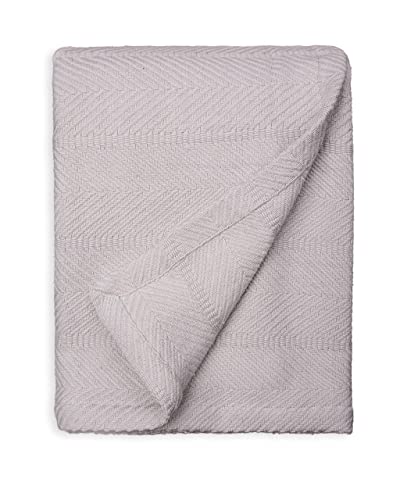
- Chevron and herringbone prints for a modern edge.
- Subtle pinstripes in gray-and-white combos for a tailored, preppy look.
- Gingham or checkerboard in muted gray tones for a classic yet youthful appeal.
The appeal of these patterns lies in their ability to break up solid expanses and reflect light in dynamic ways, making the bed a focal point without clashing with other decor elements.


Texture and Finish Gray Dorm Room Bedding Trends
Innovative bedding textures have become a hallmark of on-trend gray bedding:
- Waffle weaves and box quilting add dimension and visual warmth, proving popular in throw blankets and comforters.
- Ruffle details and tufted motifs in gray add softness, particularly in duvet covers and shams, offering a multi-sensory experience.
- Brushed fabrics, such as flannel and micro-suede, are reviving nostalgia with a cozy, lived-in feel ideal for chilly climates.
Combining these textures with patterned accent pillows or knit throws can transform a standard dorm bed into a luxurious retreat.


Seasonal and Sustainable Trends
The seasonal bedding trend emphasizes switching layers to match ambient temperatures, with lighter gray linens and cotton quilts for summer and plush gray flannels or sherpa-lined throws for winter comfort3. At the same time, eco-conscious students are seeking:
- Organic cotton percale and bamboo lyocell for breathability and sustainable farming practices.
- Recycled polyester blankets and low-impact dyes to minimize environmental footprint.
- Certification labels such as OEKO-TEX and Global Organic Textile Standard to ensure safety and sustainability.


Fabrics and Materials: Comfort and Durability
Cotton: Types and Properties
Cotton remains a perennial favorite for dorm bedding due to its breathability and ease of care. Key varieties include:
- Organic cotton: Grown without harsh pesticides; excellent environmental profile; softens over time but often commands a premium price.
- Percale weave: A crisp, matte finish offering excellent airflow; ideal for students who run warm, especially in smaller, less-ventilated dorms.
- Sateen weave: A silky, lightly lustrous finish with a softer hand; slightly heavier than percale, offering moderate warmth.
When selecting cotton sheets, look for a thread count of 200–400 for optimal softness and durability. Higher thread counts can sometimes use multi-ply yarns that do not necessarily translate to better quality.
Microfiber: Pros and Cons
Microfiber is a budget-friendly alternative offering:
- Wrinkle resistance, quick-dry capability, and exceptional softness out of the package.
- Hypoallergenic properties and easy machine washability.
However, microfiber can “trap” heat more than natural fibers, leading to potential overheating for hot sleepers, and the shedding of microplastics during laundering raises environmental concerns. It’s best paired with breathable blankets or topped with a cotton flat sheet to offset heat retention.
Linen and Blends
Linen excels in temperature regulation, moisture-wicking, and natural antimicrobial properties. While 100% linen can be pricier and initially crisp, it softens with each wash and provides a textured, casual luxe vibe. Linen blends—often 50/50 linen-cotton—offer a compromise between linen’s cool hand and cotton’s softness and lower cost.
For a dorm setting, consider linen-cotton blends in gray hues for ease of care and versatility across seasons.
Performance and Specialty Fabrics
Dorm dwellers with specific needs may opt for:
- Bamboo-derived viscose fabrics for a cooling, silky feel.
- Performance athletic fabrics with moisture-wicking and anti-odor finishes, often used in duvet covers.
- Quilted or foam-backed materials for built-in warmth and structure in comforters and wraps.
These fabrics emphasize functionality—ideal for active students—while maintaining a modern, neutral gray palette.
Ease of Care and Maintenance
- Machine-washable fabrics (cotton, microfiber, polyester blends) are top-rated for durability in frequent laundering cycles.
- Consider products labeled “easy care” or “wrinkle-resistant”, which reduce time spent on ironing.
- Opt for bedding with corner loops or zipper closures to keep duvet inserts in place and simplify laundering routines.
- Always reference manufacturer care labels to prevent shrinking or color fading, especially with specialty fibers like bamboo or organic cotton.
Maintaining clean, fresh bedding is critical in a dorm environment where allergens and spills are common.
Hypoallergenic and Sustainable Options
Modern dorm residents often prioritize health and sustainability. Hypoallergenic options include:
- Organic cotton and bamboo; these materials naturally resist dust mites and molds.
- OEKO-TEX® STANDARD 100 certified bedding ensures minimal chemical residues.
Sustainable materials and practices:
- Recycled polyester comforters reduce plastic waste.
- Upcycled yarn or seed-derived cellulosic fibers (cactus, seaweed) for cutting-edge eco-conscious textile solutions.
- Certification labels (CertiPUR-US®, Global Recycled Standard) help verify ethical production.
Dorm dwellers can align personal lifestyle values with bedding selections that support both health and environmental stewardship.
Price Points and Value
Bedding budgets in college vary, but value is crucial:
- Entry-level microfiber sets can be found for under $50, offering basic comfort and colorfast performance.
- Mid-range cotton bundles (including sheets, comforter, and pillowcases) range $75–$150, balancing quality with affordability.
- Premium organic linen or high-thread count cotton sets ($200+) deliver longevity and luxury, often earning better wear and softness over time.
Shopping tip: Bundle deals and seasonal sales can yield significant savings on mid-range and premium sets.
Summary of Key Trends and Recommended Fabrics
| Trend Category | Description | Recommended Gray Fabrics |
|---|---|---|
| Popular Shades | Light ash, greige, charcoal accents | Cotton percale, linen-cotton |
| Print & Pattern | Chevron, pinstripes, geometric checks | Microfiber, cotton sateen |
| Texture & Finish | Waffle weaves, box quilting, ruffles | Cotton flannel, brushed microfiber |
| Seasonal Solutions | Lightweight linens in summer, sherpa in winter | Bamboo, organic cotton, fleece |
| Health & Eco-focus | Hypoallergenic, low-impact dyes | OEKO-TEX cotton, recycled polyester |
Each trend pairs with fabrics chosen for comfort, durability, and ease of care.
Tips for Layering and Accessorizing Gray Bedding
- Start with Foundation: A quality mattress protector + topper in neutral gray tones.
- Choose Fitted Sheets: Use organic cotton percale or bamboo for breathability.
- Top Sheet or Blanket: Add a thin cotton blanket or flat sheet for easier laundering.
- Main Layer: Place a duvet or comforter in your chosen gray shade.
- Accent Layer: Fold a lighter throw at the foot of the bed to showcase contrast.
- Decorative Pillows: Arrange two euro shams, two patterned shams, and one lumbar pillow for a polished look.
- Bed Skirt or Curtains: Use a fitted bed skirt in gray to conceal under-bed storage and tie the look together.
Measuring and Fitting on Twin XL Beds
- Confirm mattress dimensions (standard Twin XL: 39″×80″) before purchasing sheets or protectors.
- Measure mattress height including topper; choose deep-pocket sheets when >12″ deep.
- Use sheet straps or zip-in duvet systems (e.g., Beddy’s) to secure layers and streamline bedmaking.
- Invest in a Twin XL headboard pillow if the bed is against a concrete wall for added comfort and cohesion.
Conclusion
Gray dorm room bedding offers a modern yet timeless canvas for dorm room decor. By staying current with trends—lighter gray shades, geometric patterns, textured weaves—and choosing fabrics like organic cotton, microfiber, and linen blends, students can create an inviting, durable, and health-conscious sleep environment. Seasonal layering, easy-care options, and thoughtful accessorizing ensure that gray bedding remains both stylish and functional throughout the academic year. With the insights and recommendations provided, outfitting a Twin XL dorm bed in sophisticated gray has never been easier or more rewarding.
Be sure to check out my other college living posts: